
Types of canola oil: the main grades, what they are for, and who uses them
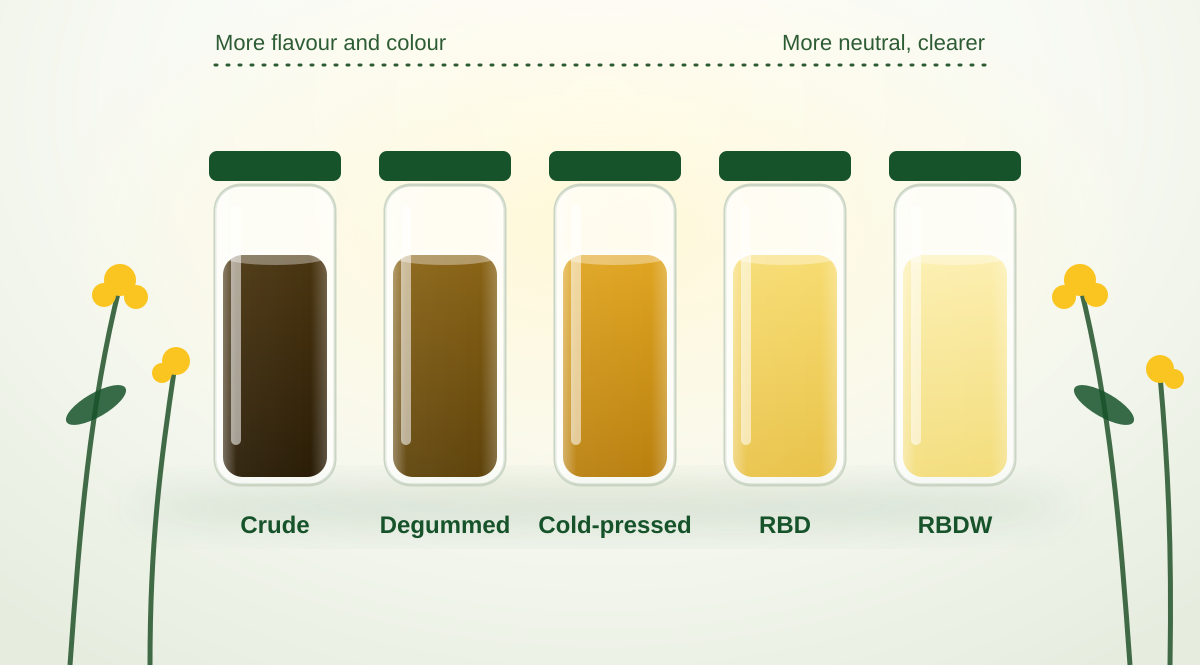
Key points
- Every canola oil is defined by three choices: the seed, how the oil is taken out, and how far it is refined. Blends and frying oils add a fourth: what is mixed in.
- Crude and degummed oils are for refiners and fuel plants, not kitchens.
- Cold-pressed and virgin oils keep their colour and flavour. Refined oils are neutral and take high heat.
- Non-GMO, organic and high-oleic oils start with a different seed. The seed has to be proven, not assumed.
- Foodservice frying oils are often blends or have additives. Read the ingredient list, not only the name.
This autumn, a small food maker in Western Canada sent us a short question: refined canola oil, or refined and winterized?
The two names look almost the same. The oils are not. One stays clear in a cold bottle. The other can turn cloudy. For a dressing that lives in a fridge, that is the difference between a product that looks right on the shelf and one that gets returned.
Questions like this come up often, because “canola oil” is not one product. It is a family of grades. This article walks through each one: what it is, what it is used for, its main advantages, and which industries buy it.
What makes an oil “canola”
Canola is a type of rapeseed bred in Canada to have less than 2% erucic acid in the oil and less than 30 micromoles of glucosinolates per gram in the meal. If the oil is high in erucic acid, it is not canola. High-erucic acid rapeseed oil (HEAR) is a separate product used mainly for industrial lubricants, slip agents and chemical uses, not food.

Every canola oil grade below is built from the same three choices:
- Seed: commodity (conventional) canola, which in North America is mostly genetically modified, herbicide-tolerant varieties; non-GMO; organic; or a specialty variety such as high-oleic low-linolenic.
- Extraction: solvent extraction, expeller pressing, or cold pressing.
- Processing: left crude, degummed, or refined, bleached and deodorized (RBD), and sometimes winterized.

Group 1: Crude oils for refiners and processors
These oils come straight from the crushing plant. They are not sold for cooking. They go to a refinery, a biofuel plant or an industrial user.
Crude canola oil
What it is: Oil as it leaves the press or the solvent extractor, with no degumming. It still holds gums (phospholipids), free fatty acids, chlorophyll, moisture and fine meal particles. It is dark and can settle in storage.
Uses: Feedstock for refining into food oil. Feedstock for biodiesel and renewable diesel. Some industrial and feed uses.
Advantages: Lowest cost per tonne.
Who uses it: Oil refineries, biodiesel and renewable diesel plants, and some feed and oleochemical makers.
Crude degummed canola oil
What it is: Crude oil that has been water-degummed. Water is mixed in, the gums swell, and a centrifuge spins them out. The removed gums are often returned to the meal or sold as lecithin.
Uses: The standard bulk grade traded between crushers and refiners, including for export. Feedstock for refining and biofuel.
Advantages: More stable in storage and transport than crude oil, with less sludge in tanks. Refiners need less work to finish it.
Who uses it: Refiners at home and abroad, oil traders, and biofuel plants.
Super-degummed canola oil
What it is: Oil degummed with acid and water, sometimes with enzymes, to take out the gums that water alone leaves behind. Residual phosphorus is very low. One published supplier specification for ultra-fine degummed rapeseed oil sets phosphorus at 15 mg/kg or less. Names vary: super-degummed, ultra-degummed and enzyme-degummed oils are sold to different limits, so check the phosphorus figure, not the name.
Uses: Feed for physical refining, where the oil goes straight to bleaching and steam deodorizing without a caustic step. Premium feedstock for biodiesel and renewable diesel.
Advantages: Low phosphorus protects refinery equipment and fuel catalysts. It allows a shorter refining route and less oil loss.
Who uses it: Physical refiners and fuel producers that need a low-phosphorus feed.
Group 2: Unrefined culinary oils
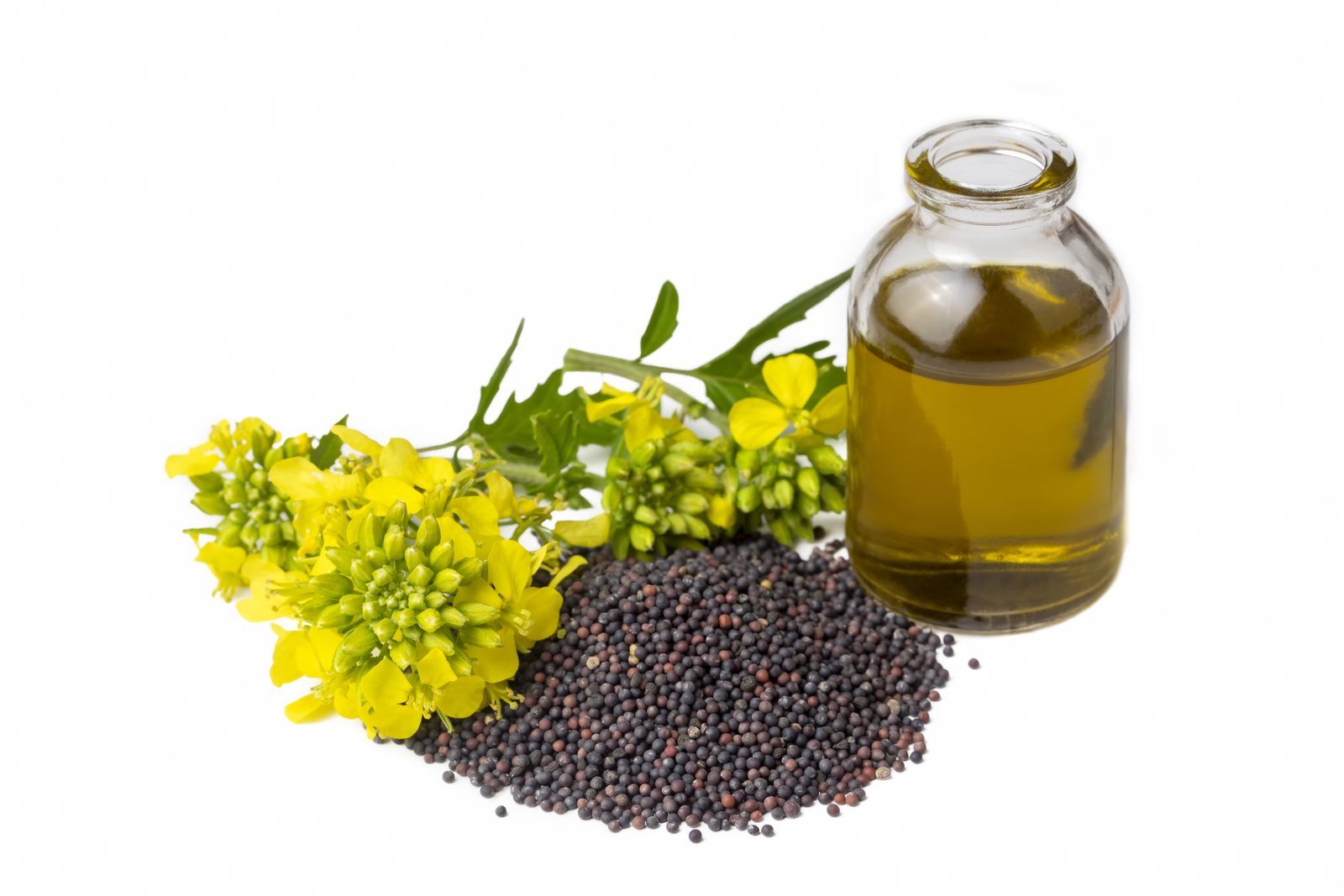
These oils are pressed and filtered, then bottled. They keep the colour, aroma and flavour of the seed. They are a different product from the neutral oil most people think of as canola.
Cold-pressed canola oil
What it is: Oil taken out by mechanical pressing only, without added heat, then settled and filtered. The international food standard for vegetable oils (Codex) defines cold-pressed oils as obtained by mechanical procedures only, without the application of heat.
Uses: Salad dressings, dips, marinades, finishing oil, baking where flavour is wanted, and cooking at low to medium heat. Specialty retail bottles and farm-gate oils.
Advantages: Deep golden colour and a nutty, seed-like flavour that buyers can taste. A short, simple process that is easy to explain on a label.
Limits: Shorter shelf life than refined oil. Lower smoke point. Flavour can vary from lot to lot with the seed.
Who uses it: Specialty food brands, dressing and sauce makers that want flavour, chefs, farm presses and gourmet retailers.
Virgin canola oil
What it is: Under Codex, virgin oils are obtained by mechanical procedures, which may include heat, and are then treated only by washing, settling, filtering and centrifuging. In practice, cold-pressed oil also meets the virgin definition, but virgin oil is not always cold-pressed. Pressing with some heat gives a higher yield and often a toasted note.
Uses: Similar to cold-pressed: dressings, cooking, bakery and retail bottles where a mild seed flavour is wanted.
Advantages: Higher yield than cold pressing, so it can cost less, while still unrefined.
Who uses it: Specialty brands and regional presses, and buyers who want an unrefined oil but do not need the cold-pressed claim.
Group 3: Refined oils, by seed and extraction route
Refining turns crude oil into the clear, neutral, high-heat oil used in most food. The steps are degumming, neutralizing (to remove free fatty acids), bleaching with clay (to take out colour and traces), and deodorizing with steam under vacuum (to remove odour and flavour). Some refiners use physical refining, which removes free fatty acids during the steam step instead of with caustic soda.

After refining, oils from different seeds and routes look and taste almost the same. That is why the seed and the extraction method have to be proven by the supplier’s records and testing, not by tasting the oil.
Conventional solvent-extracted RBD canola oil
What it is: The largest-volume canola oil in the world. The seed, mostly commodity GM varieties in North America, is pre-pressed, then the remaining oil is taken out with hexane. The solvent is removed from the oil and meal, and the oil is fully refined.
Uses: Almost everything: frying, baking, margarine and spreads, mayonnaise and dressings, snack foods, sauces, bottled cooking oil.
Advantages: Lowest cost of the refined grades. Widely available all year. Neutral taste and high smoke point.
Who uses it: Food manufacturers, bakeries, restaurants, oil packers and retail brands.
Expeller-pressed RBD canola oil
What it is: Oil taken out by mechanical pressing only, with no solvent, then refined. Pressing leaves more oil in the meal than solvent extraction, so the oil costs more and the meal has a higher fat content.
Uses: The same uses as solvent RBD oil, for brands that want “expeller-pressed” on the label or in their specification.
Advantages: Meets “expeller-pressed” and no-solvent specifications. The higher-fat meal is valued by some feed buyers.
Who uses it: Specialty food brands, private-label packers, and food makers with “no solvent” requirements from their customers.
Non-GMO RBD canola oil (solvent-extracted or expeller-pressed)
What it is: Refined oil made from non-GM canola varieties that are grown, handled and crushed apart from GM seed. It can be solvent-extracted or expeller-pressed. Both routes exist, and they are two different grades.
Uses: Products that carry a non-GMO claim or are sold into markets and retailers that ask for one.
Advantages: Required by buyers and labels that ask for non-GMO ingredients.
What to know: Refining removes almost all DNA and protein, so testing the finished oil alone cannot always prove the seed. Buyers rely on seed and crop testing, handling records along the chain, and third-party verification programs.
Who uses it: Non-GMO verified food brands, snack and bakery makers, oil packers, and exporters to markets with strict GM labelling rules.
Organic expeller-pressed RBD canola oil
What it is: Refined oil from certified organic canola seed. US organic rules do not allow hexane or other volatile synthetic solvents for extraction, and organic canola oil is expeller-pressed. Refining must use only methods and processing aids allowed by the organic standard, and many organic refiners use physical refining with clay and steam.
Uses: Organic frying, baking, dressings, mayonnaise, snacks and bottled oil.
Advantages: Can carry the organic claim when every step, from the seed lot to the press, the refiner and the packer, is certified. A neutral organic oil for products where olive or sunflower flavour is not wanted.
Limits: Supply is tight. Organic canola acres are small, so volume and price move more than for conventional oil.
Who uses it: Organic food makers, organic oil packers, retailers’ organic own brands, and organic snack and bakery producers.
RBD winterized canola oil (RBDW)
What it is: RBD oil that has also been chilled slowly and filtered to remove waxes and high-melting parts. It is made to stay clear when chilled.
Uses: Salad oil, dressings and mayonnaise that are refrigerated, bottled retail oil, and any product where cloudiness in the cold would be a defect.
Advantages: Stays clear and pourable in the fridge. Passes the cold test that many buyers write into their specification.
Who uses it: Dressing and sauce makers, oil packers for retail, and food makers who ship through cold chains.
Any of the refined grades above, including non-GMO and organic, can also be winterized. This is the grade the food maker in our opening story was asking about. For a refrigerated dressing, ask for RBDW and put a minimum cold-test time in the specification.
Group 4: High-oleic low-linolenic canola oil (HOLL)
What it is: Oil from canola varieties bred to change the fatty acid profile. Regular canola oil has about 60% oleic acid and about 11% linolenic acid. HOLL varieties raise oleic acid to about 70% and cut linolenic acid to about 3%. Linolenic acid is the part of the oil that breaks down fastest under heat and air, so less of it means a more stable oil.
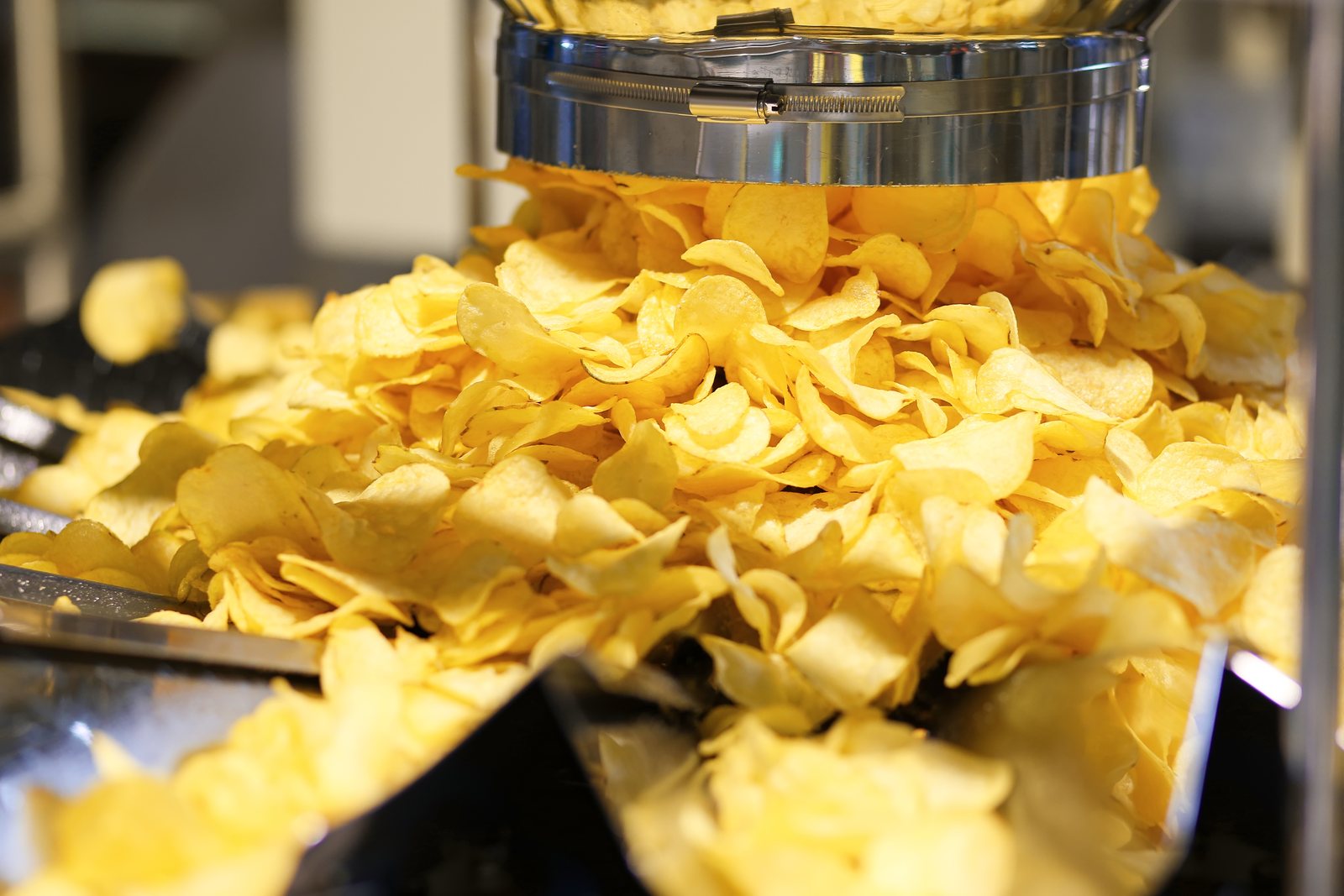
Uses: Deep frying in restaurants and quick-service chains, snack chips and fried snacks, par-fried potatoes, spray oil for crackers and nuts, and foods that need a long shelf life.
Advantages: Much longer fry life than regular canola oil, which means fewer oil changes. Slower to go rancid on the shelf. In a 2013 frying study in the Journal of the American Oil Chemists’ Society, HOLL canola oil was more stable than regular canola oil, soybean oil and hydrogenated shortenings. It reaches this stability without hydrogenation.
Limits: Grown under contract from specific varieties and kept apart from regular canola, so it costs more than regular canola oil.
Who uses it: Quick-service and casual dining chains, snack food manufacturers, frozen-potato processors and institutional kitchens.
Group 5: Foodservice frying oils, shortenings and blends
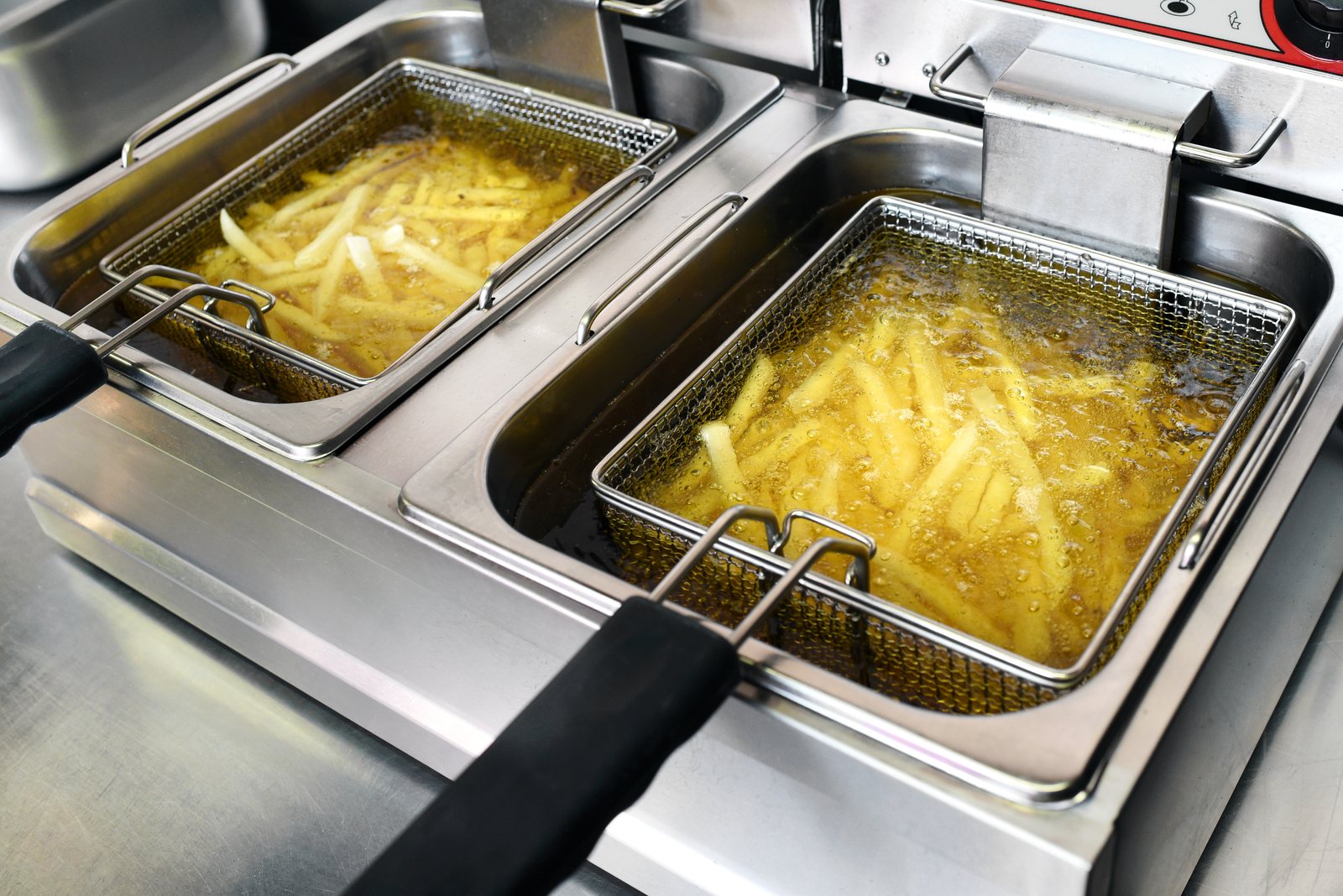
These products are built for kitchens. Many are blends or carry additives. Check the ingredient list, not only the product name. A frying oil with synthetic additives such as TBHQ or dimethylpolysiloxane cannot be used as an organic ingredient, and some buyers do not accept certain additives in their supply.
Heavy-duty clear liquid frying oil (fortified canola)
What it is: Canola oil, often high-oleic, with an antioxidant such as TBHQ and citric acid added for stability, and an antifoam agent (dimethylpolysiloxane) added to stop foaming in the fryer.
Uses: Continuous deep frying of fries, chicken, fish and battered foods.
Advantages: Longer fry life and less foam than plain oil. Clear and easy to pour and filter.
Who uses it: Restaurants, quick-service chains, pubs, arenas, and institutional kitchens with busy fryers.
Creamy liquid shortening
What it is: An opaque, pourable shortening. A small amount of hard fat, such as fully hydrogenated oil or a hard fraction, is held in liquid canola or soybean oil, sometimes with emulsifiers. Partially hydrogenated oils are no longer allowed in foods in Canada (since 2018) or the US (fully phased out by 2021), so today’s creamy shortenings rely on other hard fats.
Uses: Deep frying where a drier, crisper coating is wanted, batters and breading, griddle work and some baking.
Advantages: Pours like oil but behaves a little more like solid shortening. Gives a crisp finish and can reduce greasiness on fried foods.
Who uses it: Restaurants, fish and chip shops, doughnut and bakery operations, and institutional kitchens.
Canola-palm blends
What it is: Canola oil blended with palm oil or a palm fraction. Palm is semi-solid at room temperature, so the blend can be made liquid, semi-solid or solid depending on the ratio.
Uses: Bakery shortening, doughnut and pastry frying, margarine and spreads, and frying shortening for snacks.
Advantages: Palm gives structure and helps work air into doughs and batters. Canola keeps the blend softer and adds liquid oil. The blend can be tuned to the job and is stable in frying.
Who uses it: Industrial bakeries, doughnut makers, snack food manufacturers and margarine producers.
Performance frying blends: canola-soybean and canola-corn
What it is: Clear frying oils made by blending canola oil, often including high-oleic canola, with soybean oil or corn oil. Each maker sets the ratio, written as a split such as 70/30, and prints it on the specification. Some are three-oil mixes. One published US blend is 50% high-oleic canola, 30% corn oil and 20% soybean oil.
Uses: General deep frying, pan frying and stir-frying in foodservice. Canola-corn blends are chosen for fried foods where a golden colour and a light corn note are wanted.
Advantages: Canola-soybean blends help manage cost and price swings while keeping good frying performance. Canola-corn blends add colour and flavour from corn with better stability from the canola.
Who uses it: Restaurants, chicken and seafood chains, catering and institutional kitchens.
High-oleic and conventional canola blend
What it is: A blend of high-oleic canola oil with regular canola oil, sold as a single frying oil.
Uses: Everyday frying, sautéing and baking in kitchens that fry several times a day but not around the clock.
Advantages: Longer fry life than regular canola oil at a lower cost than straight high-oleic oil. One product can cover frying and general cooking.
Who uses it: Mid-size restaurants, institutional cafeterias, schools, hospitals and contract foodservice.
Liquid butter alternative
What it is: Liquid oil, often canola or soybean, with salt, butter flavour, lecithin and beta-carotene for colour.
Uses: Griddles, eggs, pancakes, grilled sandwiches, toasting buns, sautéing and brushing on seafood or vegetables.
Advantages: Gives a buttery taste and colour on a hot griddle with less spattering and scorching than butter. The lecithin helps stop food sticking. Pourable and easy to portion.
Who uses it: Breakfast restaurants, diners, hotel kitchens, cafeterias and catering.
Canola-based pan and grill oil
What it is: An oil made for flat-top griddles, grills and pans, often based on canola, though some versions use other oils and fats. It often carries a butter flavour and colour but no salt.
Uses: Searing, griddling, grilling and pan release.
Advantages: Buttery flavour with no salt. Makers sell it salt-free because salt can pit grill surfaces. Coats evenly and helps food release.
Who uses it: Burger and steak restaurants, breakfast kitchens, quick-service chains and caterers.
How these oils are packed and shipped
The grade is half of a supply decision. The other half is how the oil arrives.
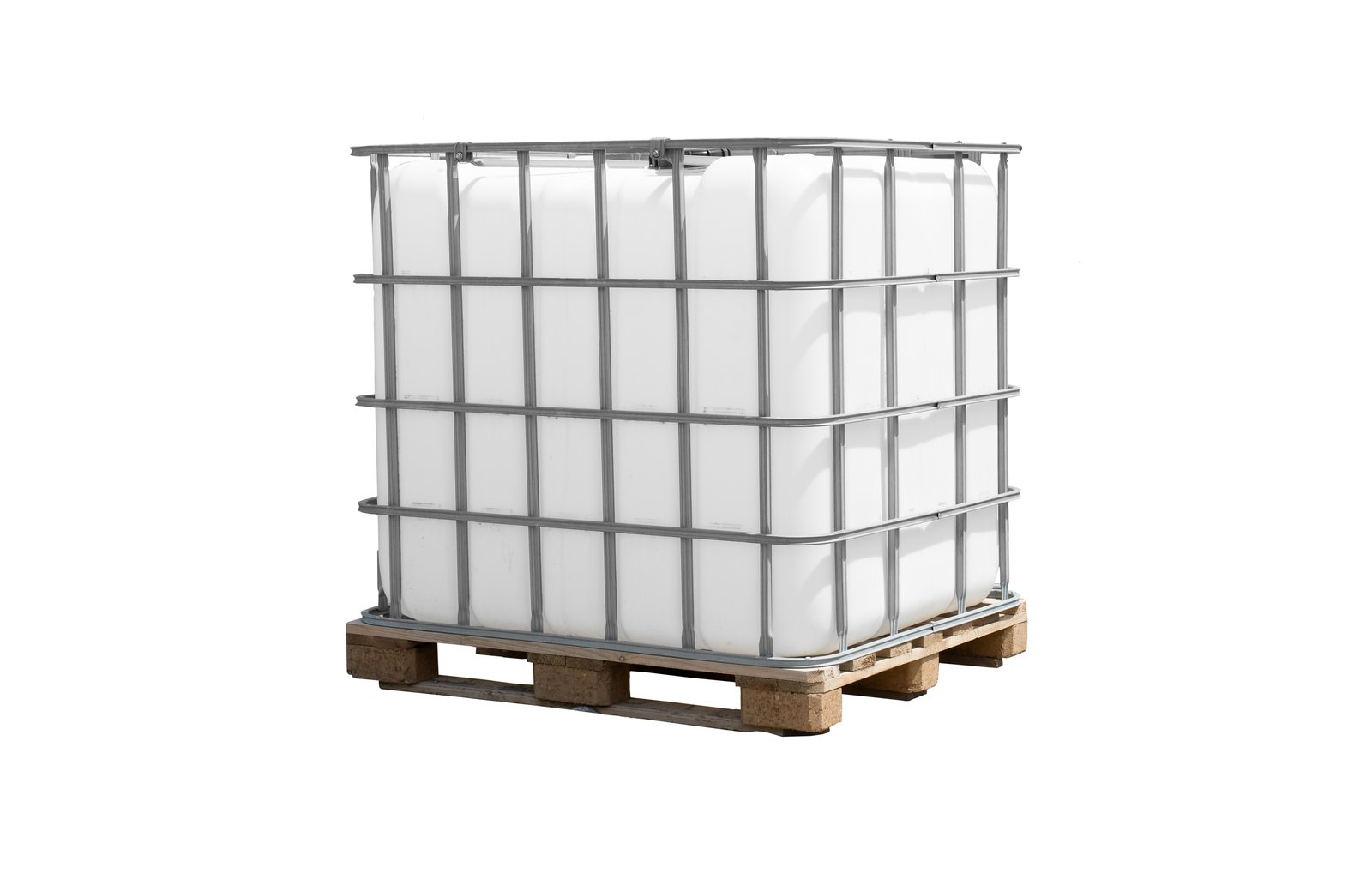
- Jugs and 35 lb (about 16 kg) bag-in-box cases: restaurants and foodservice distributors.
- Pails and drums: small food makers and bakeries.
- Totes (IBCs, about 1,000 litres): small and mid-size food makers and oil packers that use a few tonnes at a time.
- Bulk tank trucks: larger food makers, packers and refiners, by the truckload.
- Railcars: large packers, refiners and biofuel plants.
- Flexitanks in shipping containers: export and import trade.
Crude and degummed oils move mostly in bulk. Specialty grades such as cold-pressed and organic oils often move in totes. Not every grade is offered in every pack, so ask which packs the supplier fills for the grade you need.
Summary table
Swipe for more columns
| Type | What it is | Main uses | Who uses it | Main advantage | Cost benefit for the buyer |
|---|---|---|---|---|---|
| Crude | Oil from the press or extractor, not degummed | Refining, biofuel | Refiners, biofuel plants | Lowest cost feedstock | Cheapest per tonne; refining cost and oil loss sit with the buyer |
| Crude degummed | Water-degummed crude oil | Bulk trade to refiners, biofuel | Refiners, traders, biofuel plants | Stable in storage and transport | The standard traded grade; less refining work than crude |
| Super degummed | Acid or enzyme degummed, very low phosphorus | Physical refining, biofuel | Physical refiners, fuel producers | Protects equipment and fuel catalysts | Costs more than degummed oil, but shortens the refining route and cuts oil loss |
| Cold-pressed | Pressed without heat, filtered | Dressings, finishing, low-heat cooking | Specialty brands, chefs, retail | Colour and flavour; simple process | Priced as a specialty oil; fits products sold on flavour and process |
| Virgin | Pressed, heat allowed, filtered | Dressings, cooking, retail | Specialty brands, regional presses | Unrefined, with a higher yield than cold pressing | Can cost less than cold-pressed oil for an unrefined product |
| Conventional solvent RBD | Hexane-extracted, fully refined | Almost all food uses | Food makers, foodservice, packers | Neutral, high heat, available all year | Lowest price of the refined grades; the cost benchmark |
| Expeller RBD | Pressed, no solvent, fully refined | Same as RBD, “expeller-pressed” labels | Specialty brands, private-label packers | Meets no-solvent specifications | Costs more than solvent RBD; pays where the customer requires expeller-pressed |
| Non-GMO RBD (solvent or expeller) | Non-GM seed kept apart, refined | Non-GMO claimed products | Non-GMO brands, packers, exporters | Supports a non-GMO claim | Premium over commodity oil plus verification cost; opens non-GMO buyers and markets |
| Organic expeller RBD | Certified organic seed, pressed, refined by allowed methods | Organic food and bottled oil | Organic food makers and packers | Supports an organic claim | Highest price of the refined grades and more price movement; required for organic products |
| RBD winterized | RBD oil chilled and filtered | Refrigerated dressings, salad oil | Dressing makers, retail packers | Stays clear in the cold | An extra process step adds cost; prevents cloudy product in the fridge |
| HOLL | High-oleic, low-linolenic varieties | Long-life frying, snacks, shelf-stable foods | Chains, snack makers, potato processors | Long fry life without hydrogenation | Higher price per kilogram, but fewer oil changes can lower frying cost per week |
| Heavy-duty clear fry oil | Canola with antioxidant and antifoam | Continuous deep frying | Restaurants, chains, institutions | Longer fry life, less foam | Fewer oil changes than plain oil in busy fryers |
| Creamy liquid shortening | Hard fat suspended in liquid oil | Frying, batters, griddle, baking | Restaurants, bakeries, fish and chips | Crisp finish, pours like oil | One pourable product for frying and batters; easier handling than solid shortening |
| Canola-palm blend | Canola with palm or palm fraction | Bakery, doughnuts, margarine, snack frying | Bakeries, snack and margarine makers | Structure for doughs and batters | One blend tuned to the job instead of buying separate fats |
| Canola-soy / canola-corn blends | Canola blended with soybean or corn oil | General frying | Restaurants, chains, catering | Good frying performance; colour from corn | The soybean share helps hold cost down and smooth price swings |
| High-oleic + conventional canola | Two canola oils in one product | Everyday frying and cooking | Mid-size restaurants, cafeterias | Longer fry life than regular canola | Priced between regular and high-oleic oil; one product for frying and cooking |
| Liquid butter alternative | Oil with salt, flavour, lecithin, colour | Griddle, eggs, toasting, sautéing | Breakfast and hotel kitchens | Buttery taste with less scorching | Pourable and easy to portion |
| Pan and grill oil | Canola-based oil with butter flavour, no salt | Griddles, grills, pan release | Grill and quick-service kitchens | Food release, no salt | Salt-free, which makers say helps protect grill surfaces |
Cost notes are general. Actual cost depends on the product, the volume, how hard the fryer works, and freight.
Download the quick-reference table (PDF)
All 18 grades in one table, on 2 pages: what each is, its uses, who buys it, its main advantage and its cost benefit.
Before you write your specification
Start with the three choices: seed, extraction and processing. Then add what your product needs: cold clarity, fry life, flavour, a label claim, or a price ceiling.
A working specification usually names:
- Free fatty acids and peroxide value
- Colour (Lovibond)
- Moisture and impurities
- Cold test time (AOCS Cc 11-53) for winterized oil
- Fatty acid profile, including erucic acid
- Maximum press temperature for cold-pressed oil (Codex sets no limit, so the buyer should)
- Packing (totes, flexitank, railcar) and shelf life
Most buying mistakes happen when a specification names the use but not the grade, or names a claim such as non-GMO or organic without asking how the supplier will prove it.
JQ Health Organon is in the business of canola oil and meal. You can send us the grade and volume you need through our requirement form.
Sources
- Canola Council of Canada. Classic and high-oleic canola oils, fatty acid profiles. Accessed November 28, 2026.
- Codex Alimentarius. CXS 210-1999, Standard for Named Vegetable Oils: virgin and cold-pressed oils.
- Electronic Code of Federal Regulations. 7 CFR 205.270, Organic handling requirements.
- Health Canada. Prohibition of partially hydrogenated oils in foods, in force September 17, 2018.
- US Food and Drug Administration. Final determination regarding partially hydrogenated oils.
- Przybylski R., Gruczynska E., Aladedunye F. Performance of regular and modified canola and soybean oils in rotational frying. Journal of the American Oil Chemists’ Society 90 (2013).
- AOCS Official Method Cc 11-53, Cold test.
Photos: licensed stock images. Figures and the title illustration: JQ Health Organon Inc.
Underlined terms link to our glossary.

